
Why Do We Always Forget Names?
(And How to Remember Them)

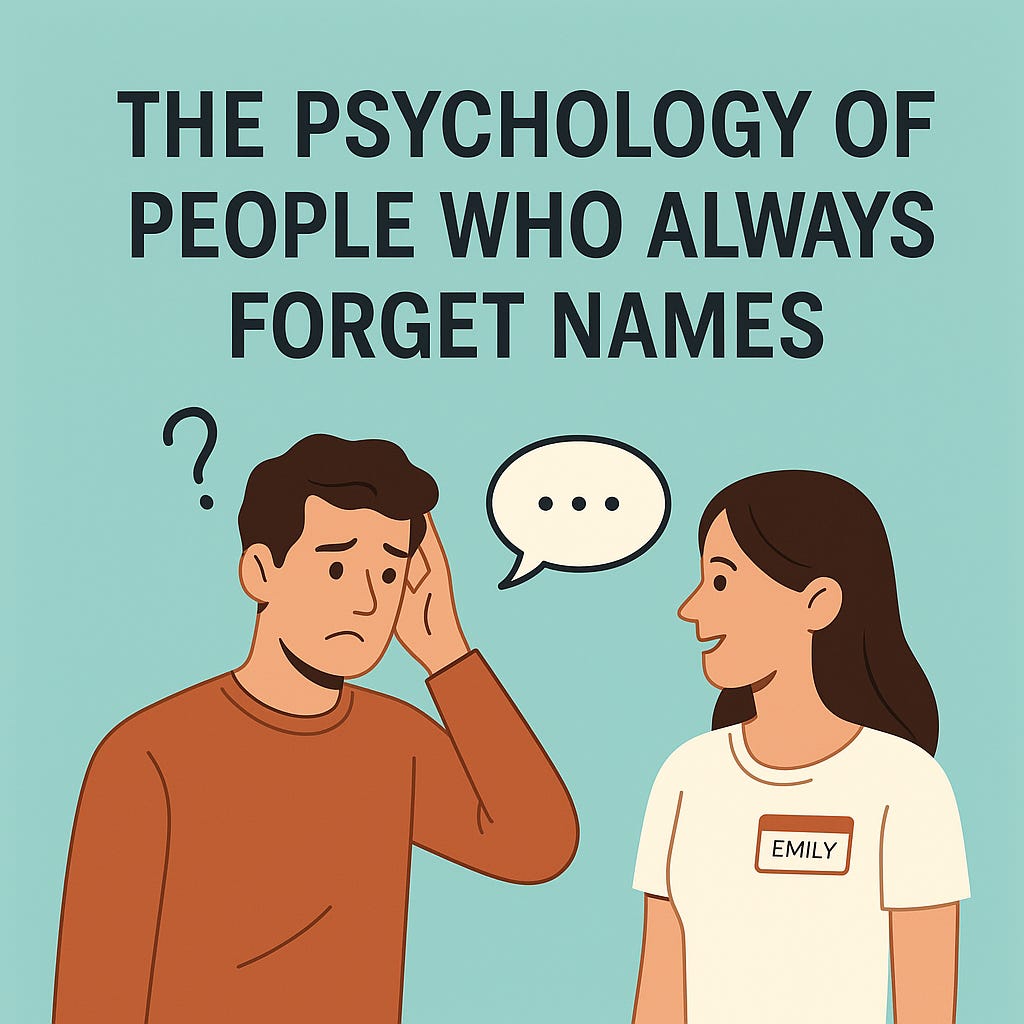
You meet someone at a party. They say, “Hi, I’m Emily.” You nod, smile, shake hands… and poof — the name has already evaporated into thin air.
Two minutes later, you’re introducing her to a friend:
“This is… uh… my new friend!”
Why do so many of us forget names, even though we remember faces, stories, or even what color shirt someone was wearing? Let’s dive into the psychology, and sprinkle in some wisdom from philosophies around the world.
The Psychology of Forgetting Names
Shallow Attention – When someone introduces themselves, most of us are too busy thinking about what we’ll say next. Psychologists call this “cognitive load.” Our brain prioritizes our performance over their name.
Names Are Arbitrary – Unlike faces or voices, names don’t have a built-in association. “Emily” could be anyone. Our memory loves patterns and meaning, but names often feel like random sounds.
Ego at Play – Sometimes we subconsciously focus on ourselves more than the other person. Forgetting a name can be a quiet reminder that listening is a skill, not just hearing.
What Philosophies Teach Us About Names
🌿 Confucianism (China): The Power of Names
Confucius believed in the “Rectification of Names” — the idea that names define roles, duties, and respect in society. To forget a name is not just a slip of memory but a slip of honor. Imagine calling your teacher by the wrong name — respect is tied to remembrance.
🕉️ Vedanta (India): Seeing the Self Beyond the Name
In Advaita Vedanta, the “Self” is beyond all labels. A name is just a temporary tag on eternal consciousness. Forgetting names can actually be a glimpse of this truth — but in daily life, it just makes dinner conversations awkward!
🍵 Zen (Japan): Attention Is Presence
A Zen monk might say, “If you forget the name, you weren’t truly there.” Forgetting isn’t the issue — lack of presence is. To remember is to be here fully when someone offers their name.
🌍 Ubuntu (Africa): I Am Because We Are
Ubuntu emphasizes interconnectedness. Remembering names is remembering relationship. Forgetting might feel like denying someone’s existence in the web of community.
A Fun Story
Imagine Socrates at a dinner party in Athens. Someone says, “Hello, I’m Demetrius.” Socrates strokes his beard and replies, “Tell me, Demetrius, what is the essence of your being?” Hours later, Socrates remembers every philosophical detail of Demetrius’ argument — but has no clue what his name was.
Moral? Even the wisest among us need tricks to remember.
How to Actually Remember Names
Repeat It Immediately – “Nice to meet you, Emily.” Your brain loves rehearsal.
Associate – Emily → “Emma Stone,” or Emily → “Emerald.” The sillier, the stickier.
Anchor with Curiosity – Ask, “Is there a story behind your name?” Suddenly, it’s not random anymore.
Presence Practice – Channel Zen: for the first 10 seconds after meeting someone, do nothing but focus on their name and face.
Forgive Yourself – Even Confucius forgot names (probably). Don’t panic — just politely ask again. People usually appreciate the effort more than the perfection.
✨ Final Thought: Forgetting names is human. But remembering them is a small act of respect, presence, and connection. Think of it as honoring someone’s identity in a world where we often rush past each other.